

How to Replace a Replacement Upvc Door Lock Mechanism
Having a replacement upvc door lock mechanism can be a great method to increase the security of your home. It is important to identify the type of uPVC door lock you have in order to find an alternative.
Sticking uPVC mechanisms could be caused by broken hinges inside the lock or by pressure that is too high. An easy solution is to grease the hinges.
Identifying the Manufacturer
The first step in replacing your uPVC lock mechanism is to identify its manufacturer. You can do this by looking at the lock and looking for a label containing a name or number. Identifying the manufacturer will help you locate a replacement that is exact. This will also let you make sure that the lock is compatible with your existing door. If the lock is not properly installed, it may cause issues with uPVC seals and other components.
Another sign that the uPVC door locks need replacing is when they begin jamming or squeezing in the locked position. A lock that is jammed isn't just annoying, but it could also be a security risk. It is recommended to address the issue as quickly as possible.
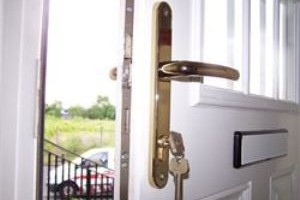
Taking on an DIY door lock replacement project is not as daunting as it may appear. You'll need only the most basic tools and a bit of patience. If you follow the correct steps, it's easy to replace the uPVC lock like a pro. By doing it yourself, you will save money. You can purchase the required tools at any hardware retailer. A rubber mallet is also helpful in helping screw the new lock into place.
Once you have replaced your uPVC lock replaced, test it to ensure that it is working properly. Check that the key turns easily, and that there are no other issues. Contact a locksmith if you notice any problems.
It is great to learn how to tackle your own home improvement projects, but there are some tasks that are best left to the professionals. This is particularly relevant to uPVC lock repairs. A professional's help can save you money, time, and stress, and can also prevent your insurance coverage from becoming damaged due to a faulty DIY job. Professionals can also give you useful suggestions and tips you might not have considered. They can also help you choose the right products for your uPVC doors.
Checking the Alignment of the Hinges
In the event that you need to unlock the lock mechanism or simply need to clean it out, you'll also want to make sure that the door is sitting in the correct position within the frame. This is usually a sign that the hinges need to be adjusted.
This is a simple job that you can do yourself. It is a must when your doors made of uPVC are not closing as they should. To determine whether the hinges aren't in alignment, first take off the plastic covering that covers the main section of the hinge. Next, look at how the gap is located at the top and bottom of the door. The gaps should be the same If one is larger than the other, you'll have to adjust the hinges.
The most efficient method to accomplish this is to make use of an Allen key. Place the Allen key into the hole that is in the middle of the top hinge and turn it a little at each time. Repeat the process for the bottom and centre hinges. Close and lock your uPVC to test how it closes. If you notice that it's still not closing properly, then simply continue to turn the hinges a little bit at each time until your uPVC door is in the proper position.
In addition to adjusting the hinges, you'll want to regularly clean and lubricate your uPVC doors to ensure that they are in good working order. This is essential because weather changes can cause your uPVC door to expand or contract. This can put pressure on your hinges, which could then cause your uPVC door to stick or become difficult to open and close.
You can clean your uPVC doors using a damp cloth or WD-40. Every six months, you should also apply lubrication to the uPVC with a dust-resistant lubricant. This will help reduce friction and keep your uPVC door looking as good as new. This is a great method to avoid costly repairs in the near future and will ensure that your uPVC door remains safe for many years to be.
Identifying the Cylinder
It is important to first determine the type of cylinder you want before you begin to adjust your uPVC locking system. This will allow you to choose the correct size screw and ensure that the door is fitted correctly. You can use a spirit level to check your door's alignment and also measure the length of the cylinder with the measuring tape. Once you have this information you'll need to determine how to adjust your hinges.
A faulty cylinder is a serious security issue that must be dealt with as soon as it is possible. Burglars may attempt to pick a lock to gain entry into your property and a damaged cylinder can make it more difficult. The good news is that replacing or fixing your uPVC lock is an simple task that you can perform yourself or with the assistance of a locksmith.
There are a few signs to be looking for that could indicate that your piston is on its last legs. For example, if your handle is jammed or doesn't turn at all, this is probably the time for an upgrade. If your cylinder has been damaged or has been kicked into the past, it's time to get a new one.
If your cylinder isn't working well, you must think about replacing the faceplates on your locks as well as your door handle. Lubricating your locks can help to prevent them from becoming stuck or squeezing. You can do this by using a graphite-based lubricant. It won't attract dust, like petroleum-based products. Lubricate locks at least every six months to keep them snag-free.
Change www.repairmywindowsanddoors.co.uk uPVC lock isn't something you must do often however it is vital to be on top of the maintenance. This will help you save money on repairs and ensure that your home is secure. If you're unsure about how to replace your uPVC lock, or do not have the right equipment to do it, you must always consult with an expert. A Checkatrade Approved locksmith will give you an accurate quote for the task. Enter your postcode in order to find locksmiths in your area.
Identifying the Lock
As with all household products, uPVC door lock problems can arise. These issues are generally easy to fix and fixing them swiftly can help secure your home. A stuck lock can be a gruelling and stressful situation when you attempt to gain access to your home.
You can either adjust or lubricate the lock mechanism to fix the issue. If you discover that your uPVC lock is brittle or jams often, it could be time to replace the cylinder. A good locksmith can ensure the job is done correctly and won't cause further damage to your uPVC door.
It is essential to identify the manufacturer of your uPVC lock when you are searching for a replacement. This information can be found on the faceplate of the lock. Once you have this information it will be simpler to select the correct replacement lock. This will also ensure that the new lock is compatible with your uPVC door. It is recommended to contact an expert locksmith to complete this work. They will have the tools to disassemble the lock, and then clean out any dirt or debris that has accumulated inside the mechanism.
A locksmith can also assist you to select the right type cylinder for your uPVC door. There are a variety of cylinders, each with various levels of security. The right type of cylinder can increase the security of your home and provide you and your family peace of mind.
A damaged uPVC lock can be a significant inconvenience and security risk. To prevent break-ins and regain access to your home, it's essential to fix the issue immediately. These tips can help you to solve the issue and fix it swiftly. It is recommended to contact a locksmith if you cannot solve the issue on your own.